It’s hard to write a political blog post right now. We are in the middle of a big transition from business-as-usual to something that may be, and surely will attempt to be, very different. And while people are thinking about what is going on, no one is watching the news with religious fervor (MSNBC and CNN journalists are speaking into the void), and certainly no one wants to read this blog post. They want me to take another shoe box from my closet and see what’s in it. Maybe tomorrow. Plus, I have the next 16th Street post almost ready to go.
Let’s focus on just one thing today, that being the fact that none of Trump’s cabinet and cabinet-equivalent picks are perfect individuals. In fact, each of them seems to be far from it. The question is: does that matter?
Does it matter that the new Director of Intelligence has spoken up for the leaders of places like Syria and Russia? Does it matter that the new Secretary of Education has been accused of running a business where she ignored prevailing child abuse? Does it matter that the head of Health and Human Services has put a dead bear in Central Park? Does it matter that the Secretary of Defense has been accused of sexual and possibly criminal misconduct? Does the matter that the heads of DOGE has egotistic, narcissistic billionaires, and one of them runs businesses totally dependent on the federal government? And of course, does it matter that the President of the United States has a background identical to a fault with that of Donald Trump?
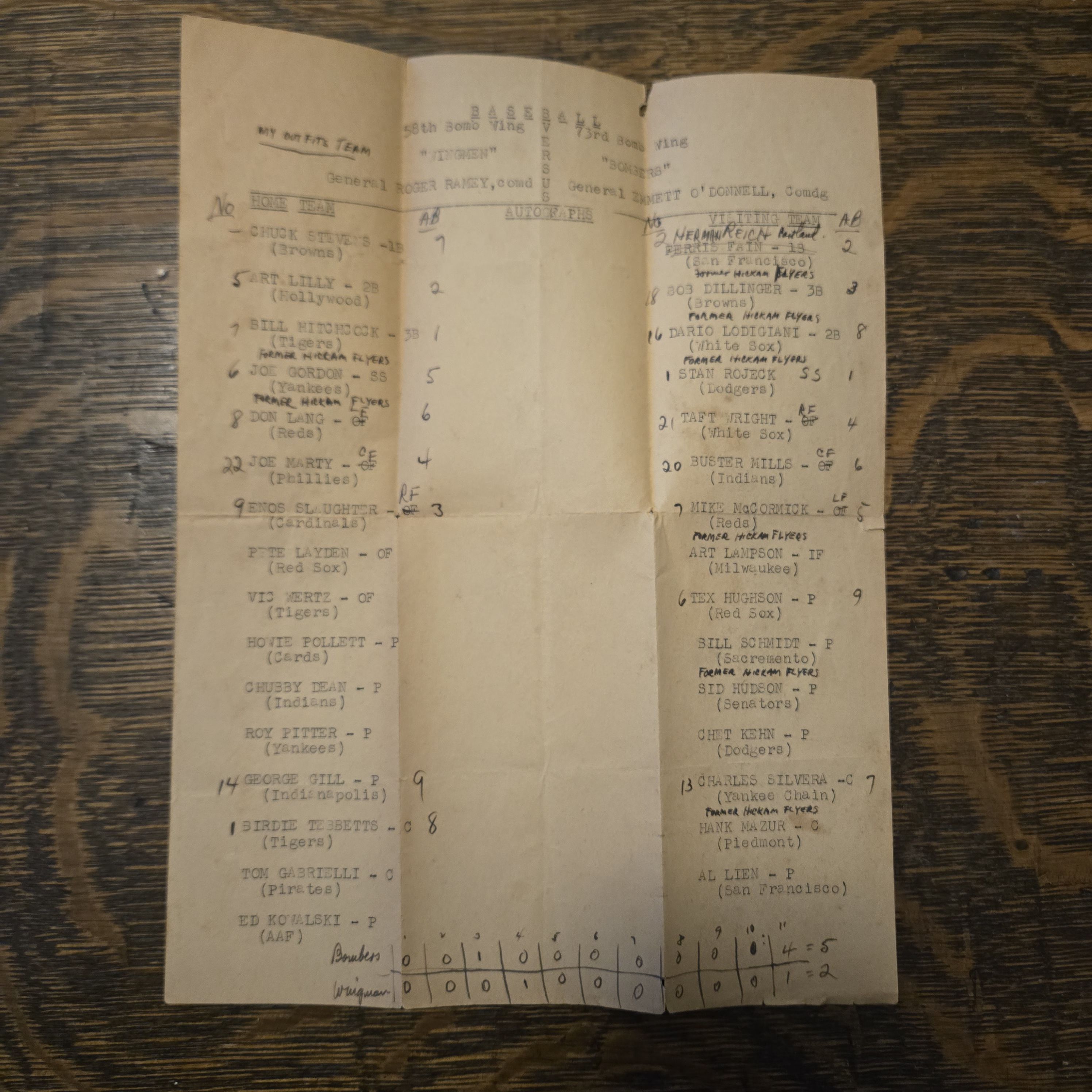
A friend, at last Thursday morning’s breakfast meeting, spoke somewhat about Pete Rose. Pete Rose, who was clearly a Hall of Fame baseball star (no question about that), but who has been denied entry into the Hall of Fame because he gambled on games in violation of MLB Rule 21, and because he hadn’t declared his gambling income was convicted of tax fraud.
I am no expert on Pete Rose, but as I understand it: (1) all of his gambling on baseball came after his playing career was over, and (2) although he bet on games when he was the Manager of the Cincinnati Reds, he never bet against his team. So no games themselves were compromised. The question is should he be kept out of the Hall of Fame because of what appears to have been a gambling addiction?
And of course, we don’t have to keep to politics and baseball. Look at music. Just this week, the Country Music Association’s artist of the year designation went to country singer Morgan Wallen. I don’t know anything about Wallen, so I looked him up on Wikipedia and read, among other things, the following: “On April 7, 2024, Wallen was arrested after allegedly throwing a chair of the roof of Eric Church’s newly opened bar on Broadway in Nashville. He was charged with three counts of felony reckless endangerment and one count of misdemeanor disorderly conduct after the projectile landed near two police officers on the ground.”
This obviously did not deter the Country Music Association.
Yes, it is embarrassing to have a bunch of morally suspect people leading your country. No question about that. But does it foreshadow anything about their competency to do their jobs?
It might. Not because of their past sins, but because these sins show a weakness that will most likely be exacerbated by their loyalty to a man with all of the faults of Donald Trump, so that they will never being able to stand up to him, rather than to do his general bidding, whatever it may be.
Donald Trump wants people who will not be able to stand up to him, and he is probably right, since his agenda depends on loyalty without conflict. He is selecting people with character weaknesses which will probably lead them to give in to his whims. He is also selecting attractive people (“central casting” types, as he calls them), often from Fox News, because he thinks they will be able to sell his programs to the world at large. And he is selecting people whom he believes will outrage his opponents.
We will see how this works out. We know it will be a bumpy ride (perhaps for us less than for most). Let’s hope that that is all it will be.












































 Art is 80