
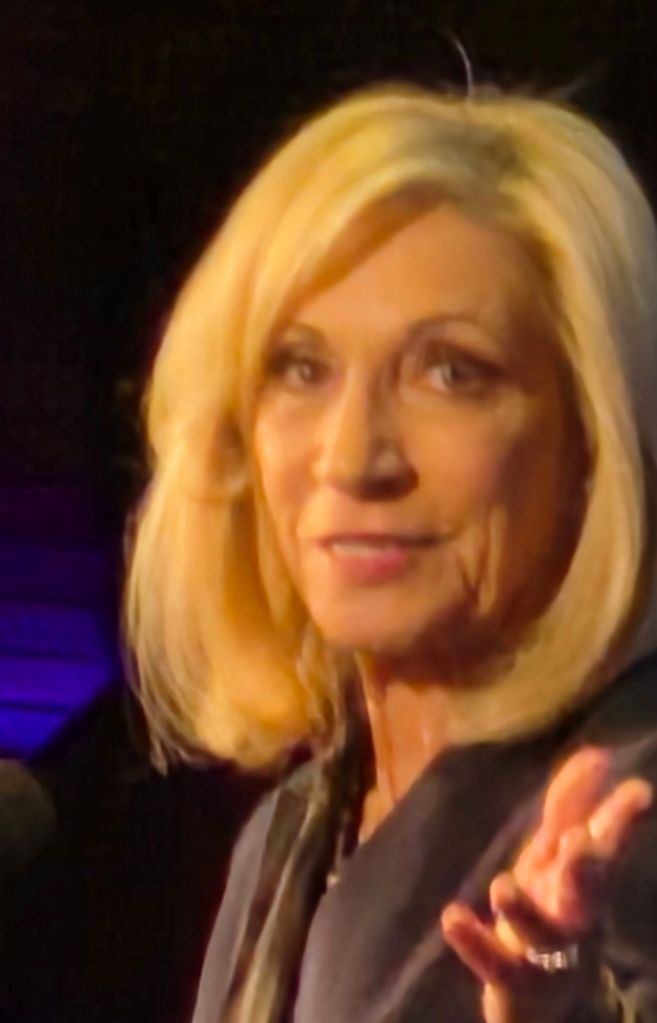
One of these is Dana Bash, and the other, Andrea Mitchell. Which is which?
We saw both of them last night at the Annual Gala for Moment magazine, along with David Rubenstein, Wolf Blitzer, Robert Siegel, and others. A nice affair to raise funds for the 51 year old non-denominational Jewish magazine originally founded by Elie Wiesel and Leonard Fein.
Mitchell and Rubenstein both received awards from the magazine, along with a number of others. I am not taking anything away from their massive accomplishments, but what was fascinating to me is that, of all of the award winners, the two of them were the most unsettled in their acceptances. Mitchell spoke about Tom Brokaw and the fall of the Berlin Wall, and several other incidents irrelevant to Moment. Rubenstein told a few lame jokes and talked about the dual ceremonies for his recent second marriage. Sure, they both said good things about Moment and the need to fight antisemitism, but I would have expected their responses to have been more polished.
Before heading to the gala (held by the way at the National Press Club), we were at Constitution Hall, the large venue of the Daughters of the American Revolution, to see the Washington Opera’s production of Madame Butterfly.
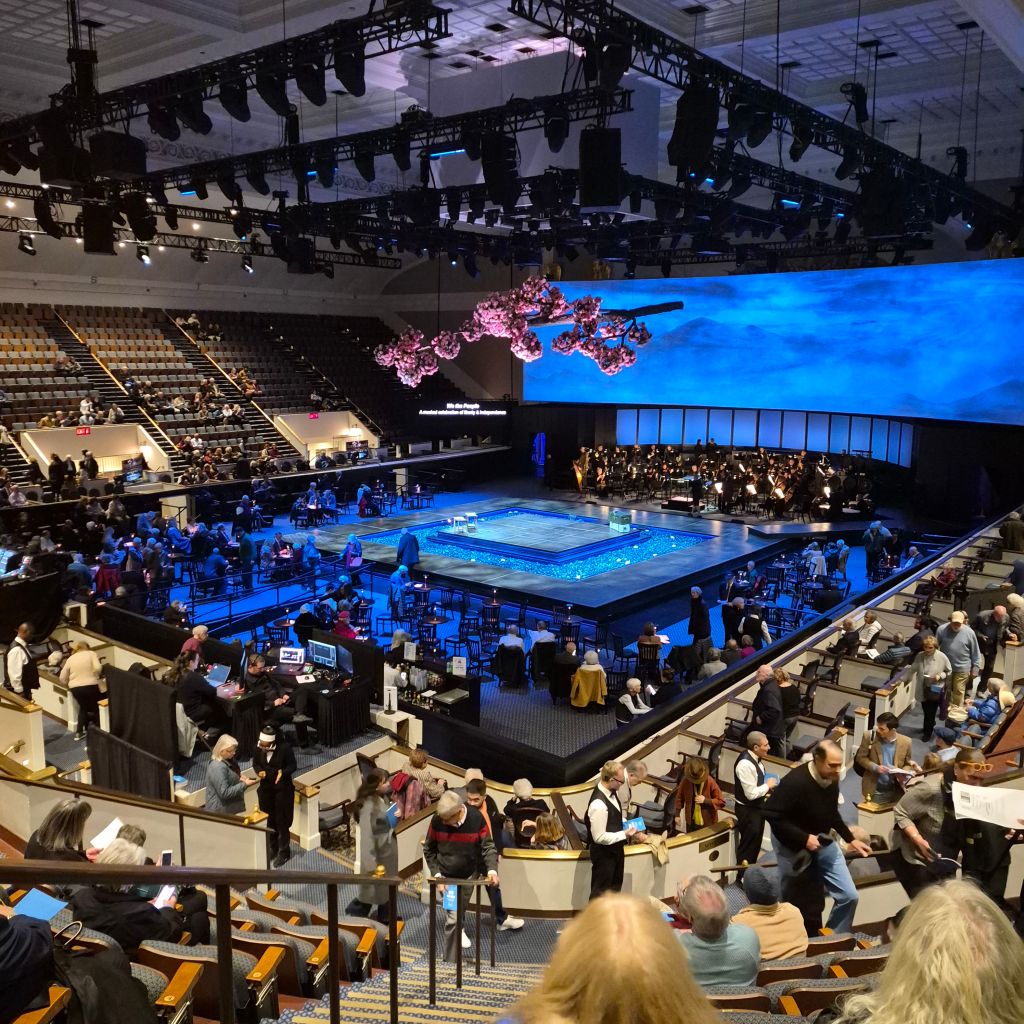
Constitution Hall is, perhaps a strange venue for the Opera, now displaced from its long time Kennedy Center home and, in order to create the stage, they took out the floor seats from the 3000+ seat venue and created a proscenium stage, as you can see. Except for the few opera-goers in the “cafe seats” and the boxes, we were all seated like we were in attendance at a political convention (the facility was designed for annual DAR meetings) or a basketball game, but it actually worked very well, and the acoustics were wonderful (as advertised).
The role of Cio-cio San (Butterfly) was played by Kara Son, her maid Suzuki by Michelle Mariposa, and Pinkerton by Matthew White. Their voices were magnificent, and the acknowledgements appropriate, meaning that Son and Mariposa got standing ovations, and White very loud standing boos.
You know the story? Pinkerton is an American naval lieutenant stationed in Japan at the turn of the 20th century who “marries” 15 year old Cio-cio San, leaving her after a matter of months planning to return. She patiently and optimistically waits for his return with the son born to the two of them (he does not know about his son), and three years later, he does return to Japan….but with his American wife. For the sake of the child, Butterfly agrees to give up her son to Pinkerton and his wife, and then commits suicide to end the opera.
Digression: At this time in Japan, arranged, temporary marriages between young women and foreign men were arranged by brokers for money. There were fake marriage ceremonies, and everyone knew what was going on. It was a business arrangement and as time went on, the practice receded and ended. Puccini changed the rules of this arrangement by making the young Japanese bride believe that the marriage was real and would be lasting, giving up her family and her religion and her national loyalty as part of her contribution to the arrangement. This is not how it worked.
Digression to the digression: It really wasn’t Puccini who changed the rules. It was American author John Luther Long, on whose story the opera was based. Long, apparently or supposedly, heard this story from his sister, who had lived in Nagasaki, where something like this might have actually happened. We don’t know.
End of digression and digression to the digression.
I should add that, in addition to the powerful voices and wonderful acoustics, the dramatic part of the opera, at the end of the third act when Pinkerton returns to Japan and the truth becomes apparent, was handled with great theatrical aplomb (first time in the blog for the word “aplomb”).
On Saturday, we went to the Bethesda row Landmark theater to catch one of the few current theater showings of the new film Becoming Heumann, based on the book of that name by the late disability advocate (whom we knew), Judy Heumann. Judy, a childhood polio victim confined to a wheelchair until she passed away at 75, was the power behind the adoption and implementation of Section 504 of the Rehabilitation Act of 1973, leading the longest sit-in, or occupation, of a government office in San Francisco in 1977, protesting the failure of the Carter administration to put into effect the regulations requiring the government to actually implement the law, 4 years after it was passed by Congress (even if most members of Congress did not know of this short provision in an otherwise long bill). The sit-in at the San Francisco offices of the Department of Health, Education and Welfare lasted four weeks.
Digression: Section 504 required accessibility for disabled Americans in certain federal programs. It was the predecessor to the later passed Americans With Disability Act, with much broader requirements, which became law in 1990, and for which Judy played an active role, now as a high ranking government official. End of digression.
The film, not a documentary, but an re-enactment of what actually happened followed the release six years ago of another film, Crip Camp, focusing on a summer camp for children with disabilities which Judy attended as a young teenager. It was an excellent documentary which followed the lives and careers of many of the campers, including Judy, and ended with a significant portion of the latter part of the film being dedicated to the Section 504 sit-in. I recommend you find it (won’t be hard) and see it.
Being Heumann has received good reviews, but I would have been one of the 30% or so of Rotten Tomato critics who would not have rated it very highly. I did not think that it was a very good film. I thought the acting left a lot to be desired, as did the directing. A good film obviously makes the story line look real; in this film, everything looked to me artificial, from the scenes of the sit-in to the portrayals of Secretary of HEW Joe Califano and other government officials.
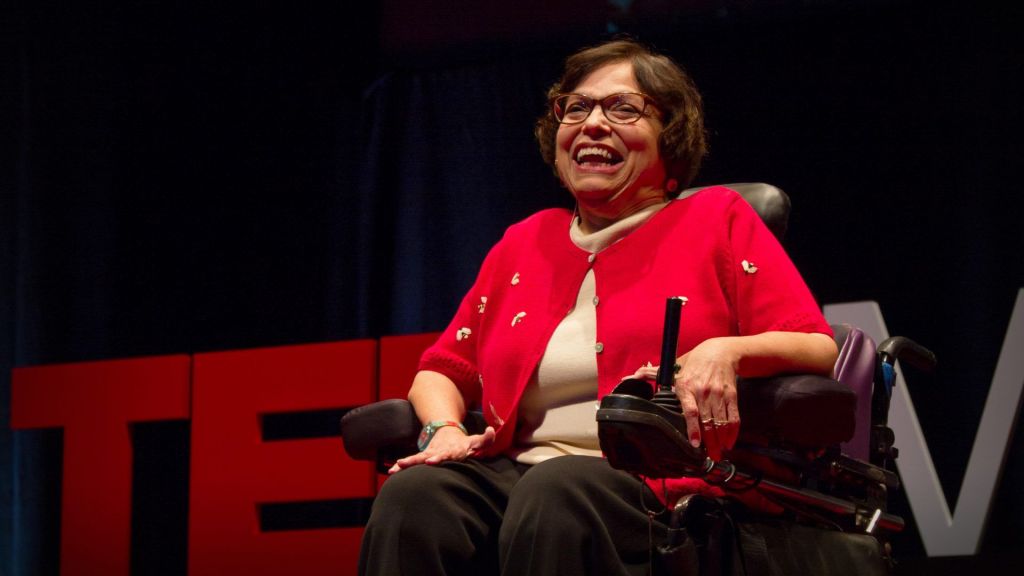
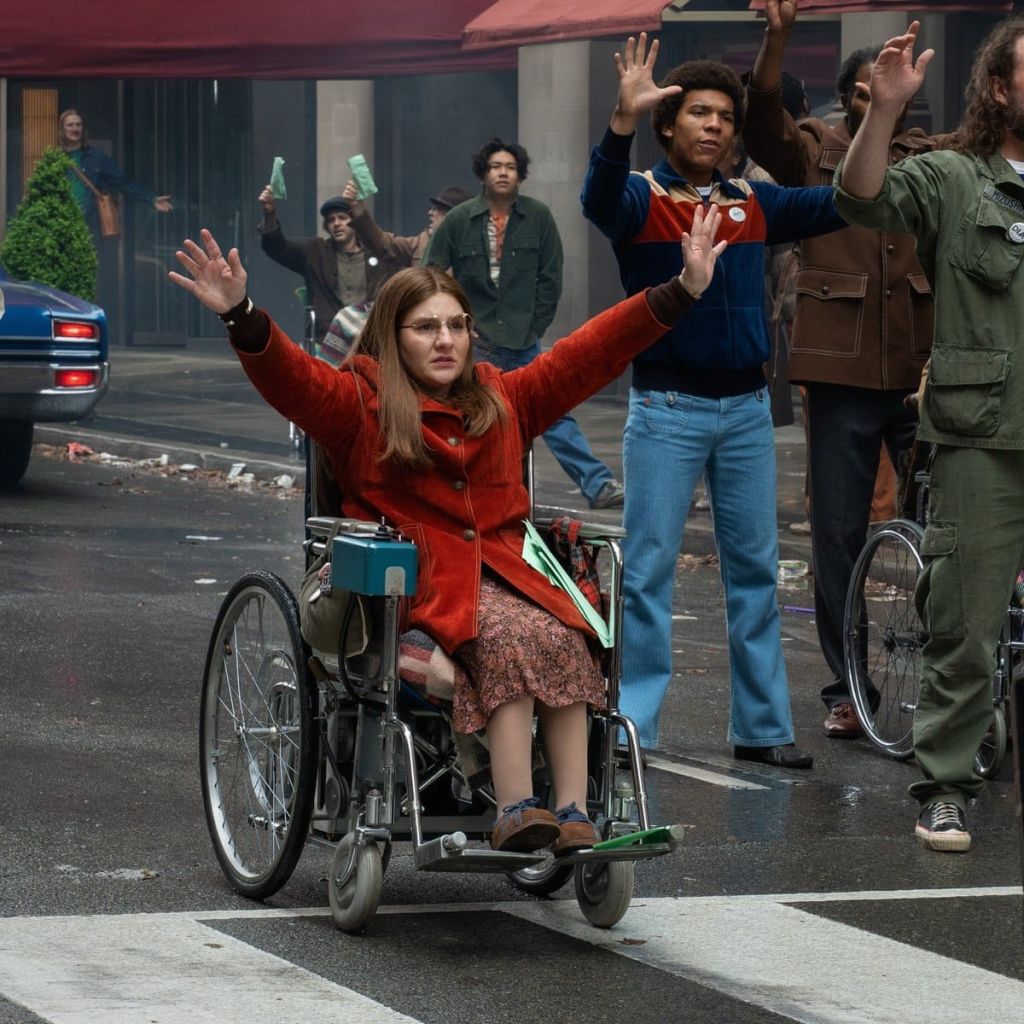
Others might disagree with me, but I felt that, if I were Judy, while I would have been happy that the film was made, I would have been unhappy at the quality of the film, and unhappy at how I (Judy) was portrayed. But, of course, I was not there in 1977, and I am sure that some of those who were had a role in trying to bring verisimilitude (another new word for the blog) into the film were involved.

