This post will get more and more interesting as we go along. Take my word for it.
We start with a picture.
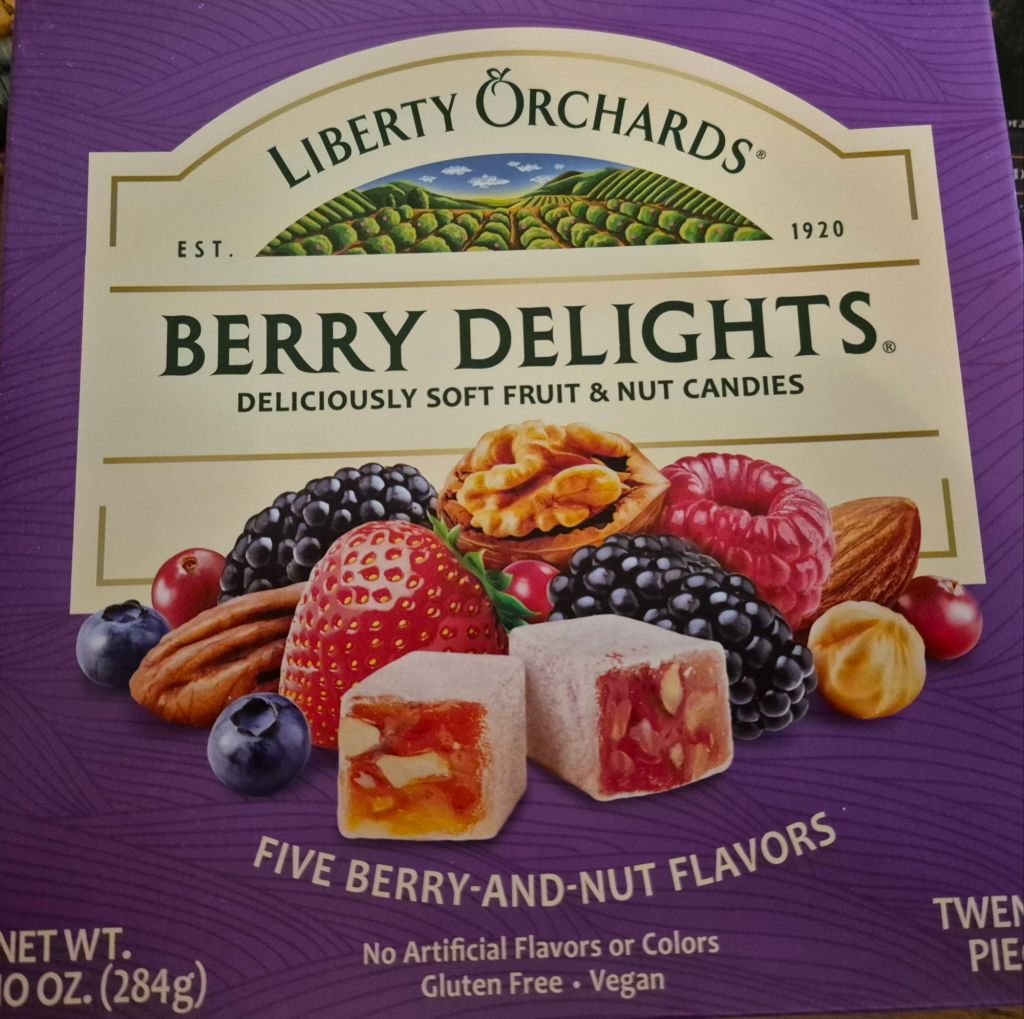
And we go from there.
I learned a lot as we drove from Seattle to Missoula in July about a part of the country I hadn’t seen before. Perhaps one of the most significant things I learned, as it turned out, was in the small town of Cashmere, Washington (named not for the sweaters you may wear, but for the Vale of Kashmir, in India and Pakistan). Cashmere, located just a few miles west of the comparatively large town of Wenatchee, has a population of a little over 3,000, but is the home to Liberty Orchards, the maker of Aplets & Cotlets candies. Its factory, in fact, is at the corner where Aplets Way meets Cotlets Avenue. (The word “aplets”, of course, refers to apples, and the word “cotlets” to apricots. Perhaps you guessed that already.)
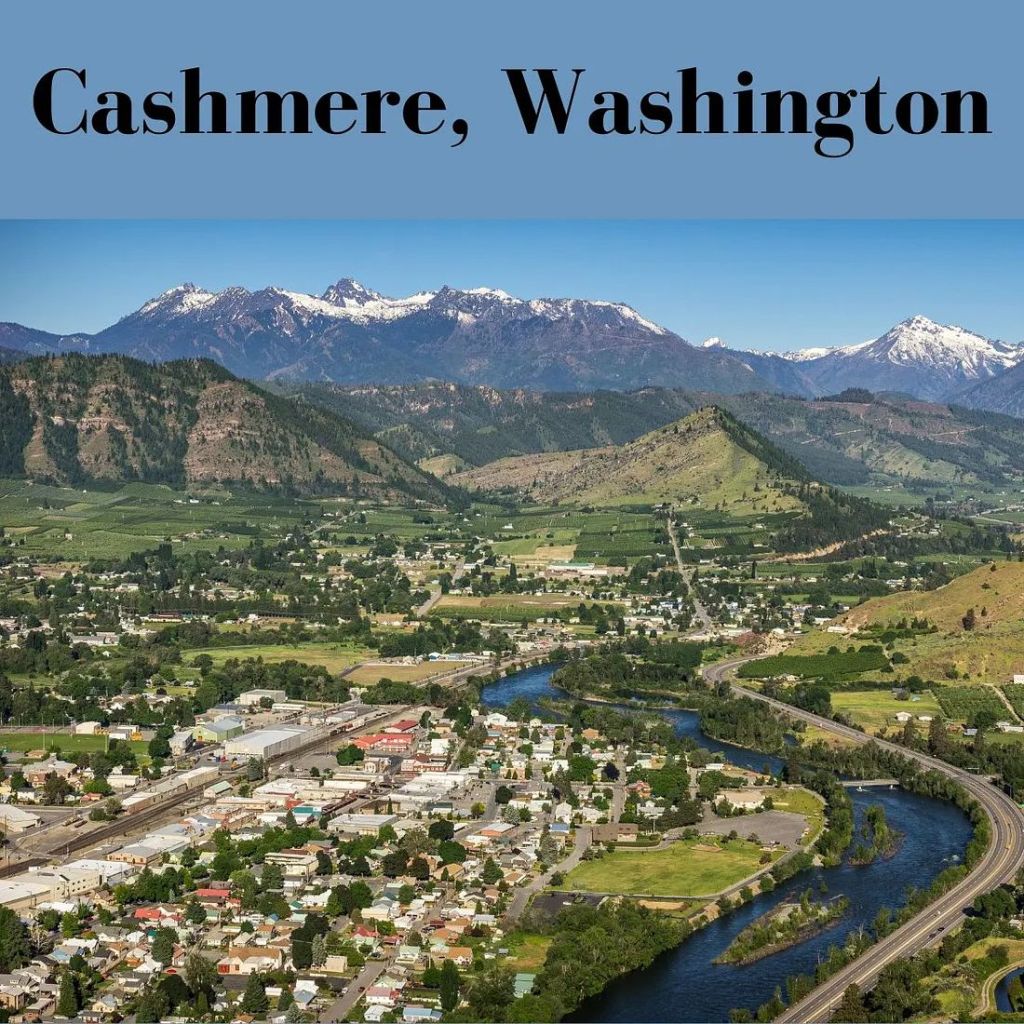
Why am I even telling you this? Well, it’s because we went to take a tour of the candy factory (because when you are in greater Wenatchee, you do want to do everything there is to do), but got there after the last tour of the day. So all, we could do was look at the factory’s retail store, and talk to the two women who worked there. In part because I had been very reticent to buy too many souvenirs on this trip, and in part because the two women were so friendly, I thought we should buy a box of their candies, although I had no idea as to how they would taste, or really what they were. I just knew that they made a lot of them.
Basically, they are Turkish delight. You know what Turkish delight is? Look again at the picture on the box and you will see. I think this brand is particularly good. We bought two boxes while we were there, I later ordered two boxes to be shipped to our house, and I then ordered two more, which came last week. I am disciplining myself to one candy a day for obvious reasons.
Art, you say, fine, you found some candy you liked. Why are you telling us all of this? And the answer to your question is to show you how, when you start to look at something (anything), you never know where it is going to lead you.
Liberty Orchards was started about 105 years ago in the tiny town of Cashmere by two young Turkish born, but ethnically Armenian best friends (they actually became brothers in law) named Mark Balaban and Armen Tertsagian (I know that Balaban does not sound like an Armenian name, but apparently Balaban’s father was named Balabanian), who had come to this country from Turkey around the turn of the 20th century, moved west to Seattle, found it hard to earn a living there and decided to move into the eastern part of the state of Washington, where they thought they could buy some land and grow some fruit. They did that, and also built a factory to make candy just like they remember from their Turkish upbringing.
Their enterprise was a big success, as you would imagine since the company still seems to be thriving. And Tertsagian’s children and grandchildren stayed with the company until 2021 (the Balaban kids went in other directions), when the company was sold.
So? Big deal. But this is where the only modestly interesting story gets more interesting. So stick with me.
The company that acquired Liberty Orchards was KDV USA. You have probably never heard of KDV USA, but it is one of a large number of companies primarily owned by a Russian oligarch/billionaire named Denis Shtengelov.
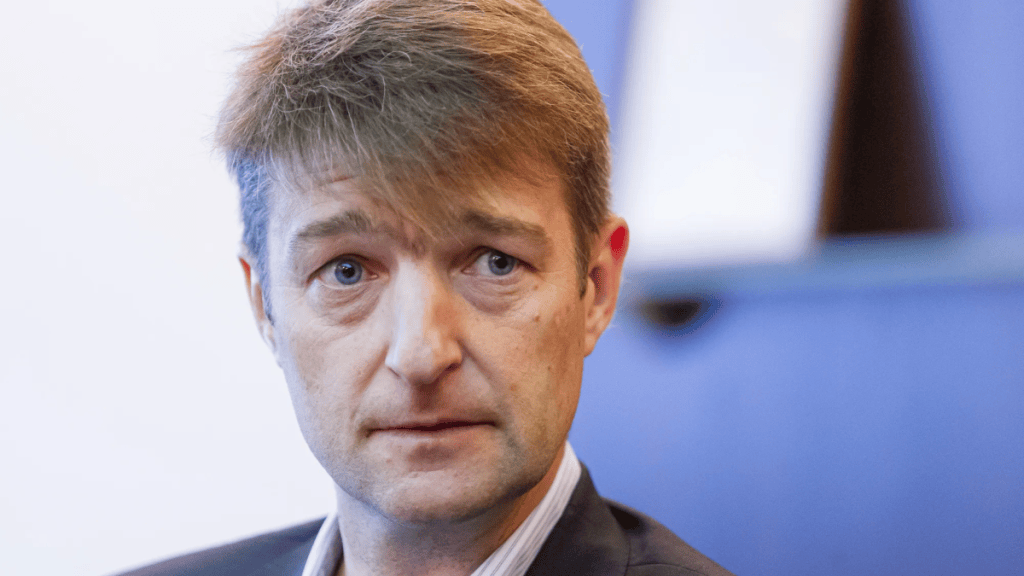
Here is what I know about Shtengelov. He was born in the Siberian city of Tomsk, and not to a wealthy family. He went to Tomsk State University, graduating in 1994 (he is still only his 50s), and went into the sunflower seed business, basically buying up sunflowers from growers and selling some retail, and pressing some into oil, which he sold. This turned out to be successful enough that he could purchase a small candy company three years later, and according to Gemini, over the next 25 years, Shtengelov built up his holdings, which he called KDV Group, by acquiring or developing various snack companies, starting a grocery chain that eventually had 1300 stores in Russia, and then acquiring assets in Europe, Australia and the United States. His United States holdings now include Liberty Orchards. His companies expanded to have almost 40,000 employees world wide, and one site told me that it became the second largest snack conglomerate on the planet. His wealth was estimated to be more than $2.5 billion.
Shtengelov is obviously a very astute fellow and was astute enough to realize that he would be better off living somewhere other than Russia, and he chose Australia, where he now lives in the city of Gold Coast. Now, I have to admit that I assumed that Gold Coast was the name of an area, probably an area of Sydney or maybe Melbourne. That is what I assumed. But no (and maybe everyone but me knows this), Gold Coast is in fact a city in Queensland, about an hour south of Brisbane, and has about 750,000 residents, making it Australia’s sixth largest city. As I often say: who knew?
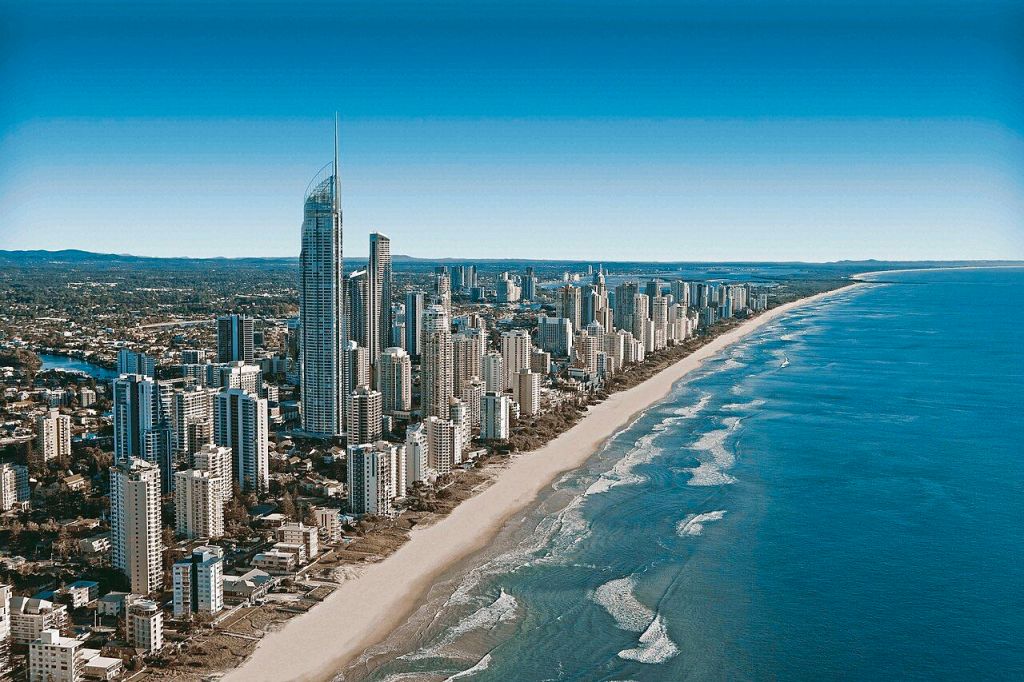
At any rate, this is where Shtengelov and his family now reside, apparently along side of a large group of wealthy Russians who have chosen this city, perhaps because they couldn’t find another location less like Mother Russia. In addition to being the head of the KDV enterprises, Shtengelov has a resort complex in Gold Coast, with a hotel, 20 tennis courts, two golf courses (one 9 and one 18 holes), pickleball courts, a gym, a spa, restaurants and so forth. He is a citizen of Australia, as well as Russia.
Well, Art, you say, that’s all moderately interesting, a Russian billionaire owning a candy factory in Cashmere, Washington, but I am not sure it is so interesting that it was worth a full blog post.
I say, hold on, stick around, you ain’t seen nothing yet.
Shtengelov is no friend of Vladimir Putin, and he has been public about his opposition to Russia’s war against Ukraine. This led to charges being filed against him by the Russian government about a year ago in Moscow, alleging (perhaps accurately), that not only was Shtengelov badmouthing the Russian military activities in Ukraine, but was in fact engaging in commercial activities selling food and perhaps other merchandise to support the Ukrainian army. Additional charges were brought against Shtengelov’s father, who still lives in Russia, for providing various types of assistance to Ukraine.
KDV was designated by the prosecutors, and then upheld by the Russian courts, as an “extremist” organization, which was earning money in Russia and exporting the proceeds to help the enemy in Ukraine, thus in effect becoming a treasonous organization. The Russian government also claimed that Russian assets had been taken out of the country to invest in enterprises in countries unfriendly to Russia, such as the United States, the Netherlands, and Australia. The remedy that was requested by the government was the right to take and nationalize, without compensation, all of the assets of KDV.
Once the courts approved the condemnation of the assets in October last year, the assets of KDV’s Russian factories and the 1300 store chain of groceries were taken from Shtengelov. Because the courts have no jurisdiction outside of the borders of Russia, the state could not lay claim to European, Australian or American assets, which remain under the control of Shtengelov and KDV. It appears that Shtengelov did not challenge the decisions of the Russian court, nor the expropriation of its assets by the government, having concluded that there was no real chance for a reversal.
I knew nothing about any of this, of course, but have now seen that commercial properties of entities believed to be operating against he interests of Russia and for the interests of Russia’s enemies have been seized by the government in increasing numbers. Most of the businesses so condemned have apparently been foreign owned business with Russian locations. There have apparently been few other assets owned by Russian citizens expropriated for this reason, and the KDV seizure was one of the biggest, if not the actual biggest, seizure that the government has made.
I guess the mainstream media just hasn’t been following these stories. There must be much else we don’t know about what is going on there, as well.
So, we by chance go to Cashmere WA, we by chance go to the Liberty Orchards candy factory and don’t immediately walk out when told we can’t take a tour, we for no good reason buy some of their candy and like it, and then because this is the kind of thing I do (but still only by chance), I decide to look at the history of the company, and all of a sudden we are dealing with the largest expropriation of commercial assets belonging to a Russian citizen accused of aiding and abetting the enemy. Just by chance.
I hope reading to the end was worth it.

