Rabbi Lauren Tuchman gave a wonderful talk last week on the Jewish holiday of Tisha B’Av (Google it if you do not know) suggesting that it should be seen as the beginning of the High Holiday period leading to Rosh Hashana and Yom Kippur. I can’t come close to her words, but she comes to this as a person with disabilities. Lauren is blind (perhaps the only blind female rabbi in the known universe) and thinks a lot about how persons with disabilities are treated by others, sometimes on purpose and sometimes without thinking. Her thought is to use Tisha B’Av (a holiday associated with tragedy) to recall how you may have mistreated others over the year, perhaps creating small, or not so small, personal tragedies, and begin the process of repentance and atonement, leading up to Yom Kippur, the Day of Atonement. I found this a wonderful approach. If you go to the Haberman website, you can watch her presenration and see how much better she said it (habermaninstitute.org).
Last night, we at Haberman had another presentation, a very different type of one, this one on the history of American antisemitism, given by Prof. Britt Tevis of Syracuse University. She is about to have a book published by the Yale University Press containing many source documents on the topic.
She traced the history of the term “antisemitism” to late 19th century Germany and gave it a political meaning, one which she continues to use today. She went through efforts in state laws and constitutions to keep Jews from holding public office, serving on juries, working on Sundays, and so on. And through other examples of public discrimination and defamatory writing. It was an interesting discussion, leading to many questions in my mind. You can listen to that on the Haberman website, as well.
To top it off, at my Thursday morning breakfast meeting, the presenter talked about the role of IBM during World War II, largely based on Edmund Black’s book, IBM and the Holocaust. The facts are staggering. IBM, through its German and Swiss divisions, in effect ran all the census numbers for the Nazis, identifying who are Jews and tracking their lives through their deaths. IBM provided the details to coordinate the pickup of Jews and Romas, to place them on trains to Auschwitz, providing that the trains would arrive at Auschwitz just when the death chambers would be available.
So, back to normal. And that includes celebrating daughter Michelle’s birthday with Michelle and Josh, Ollie and Ian, Gale and Edie.
But I still haven’t unpacked my suitcase.




























































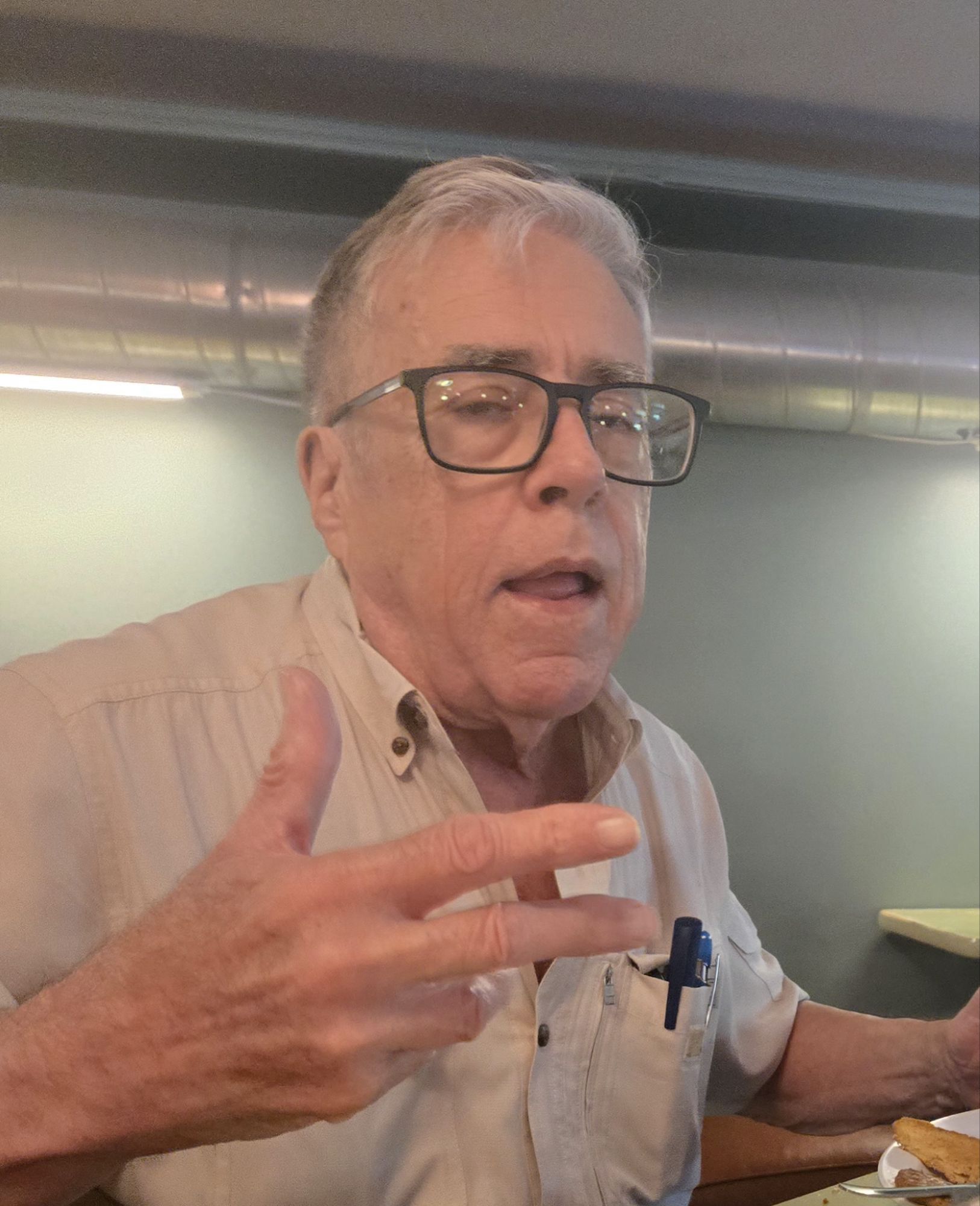




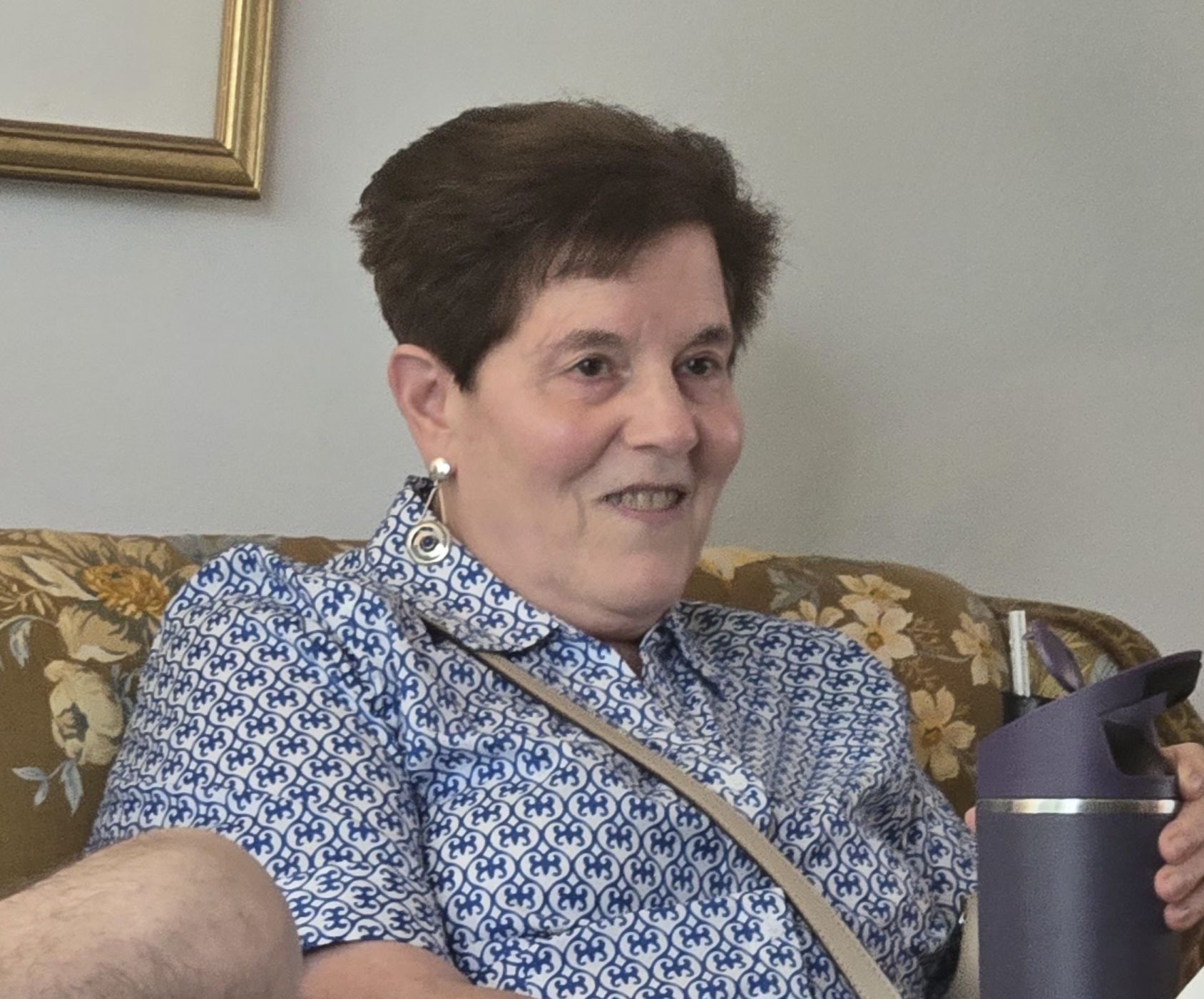

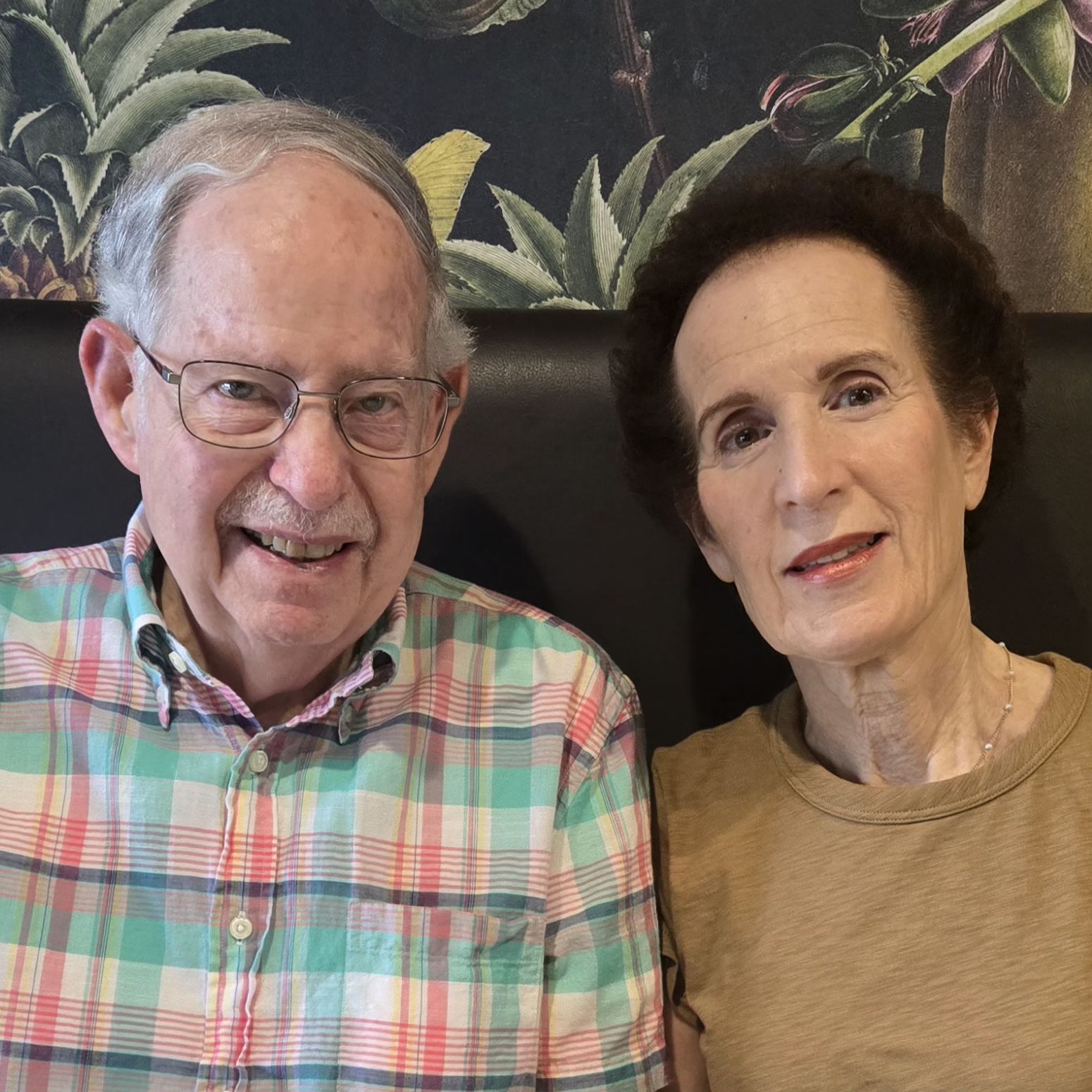


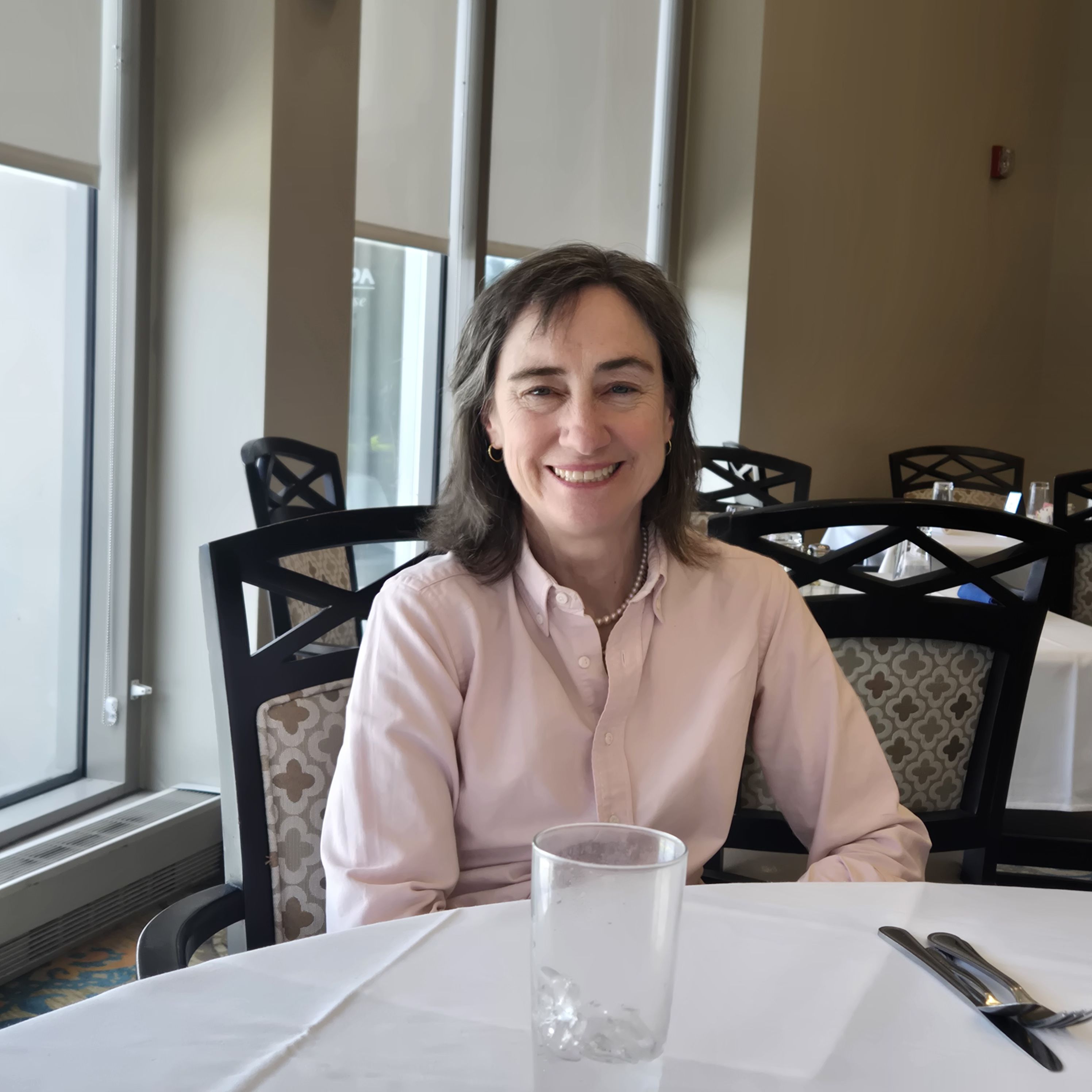







































 Art is 80