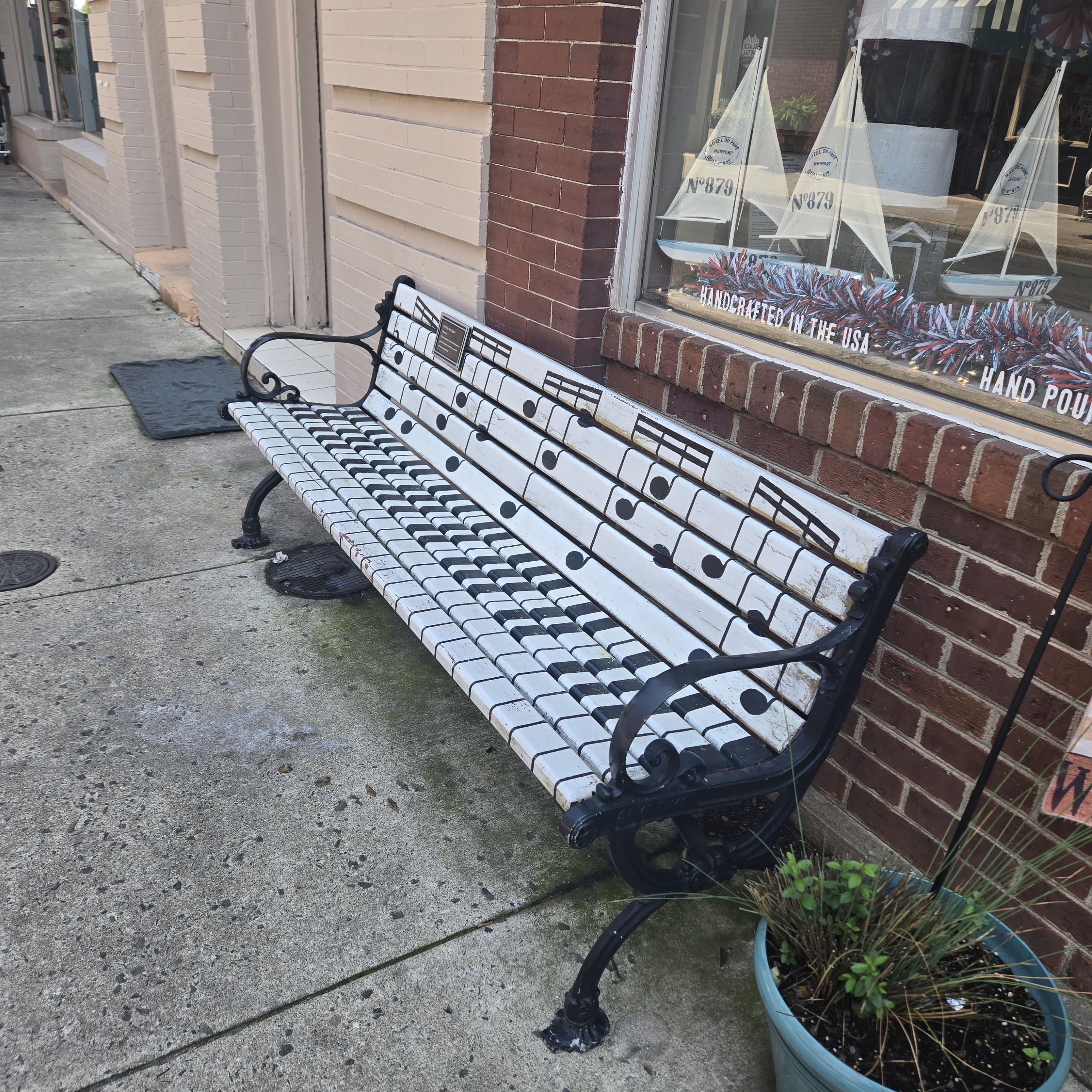
Looking for a new piano bench? We saw a nice one in Manassas.
I go to Manassas VA a few times a year to go to McKay’s Used Book Store. It’s quite a place and, for a used book and media shop, is usually quite busy. I bought a copy of Exceptional: Why the World Needs a Powerful America, by Dick and Liz Cheney, signed by them on a Republican National Committee book plate.
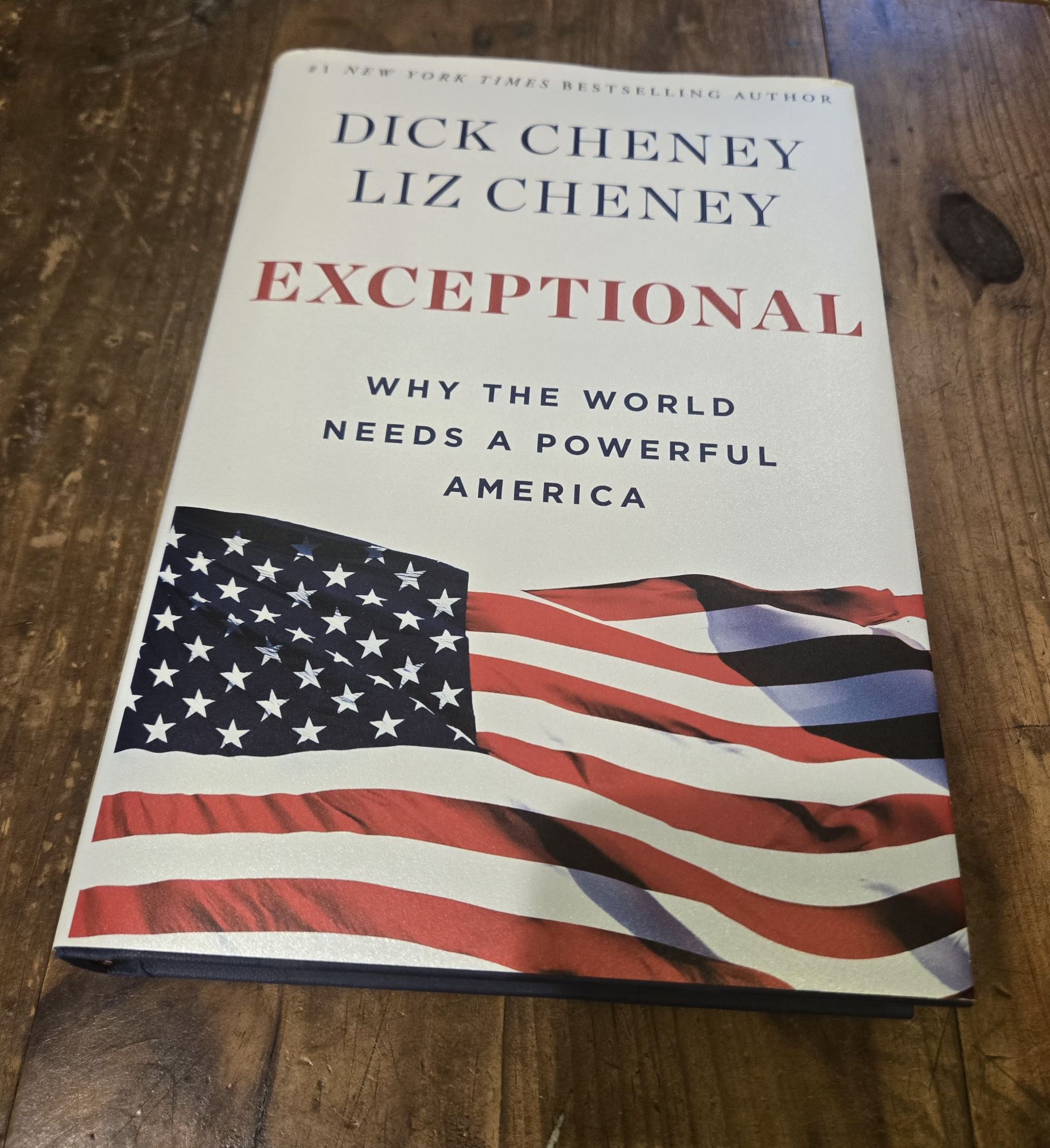
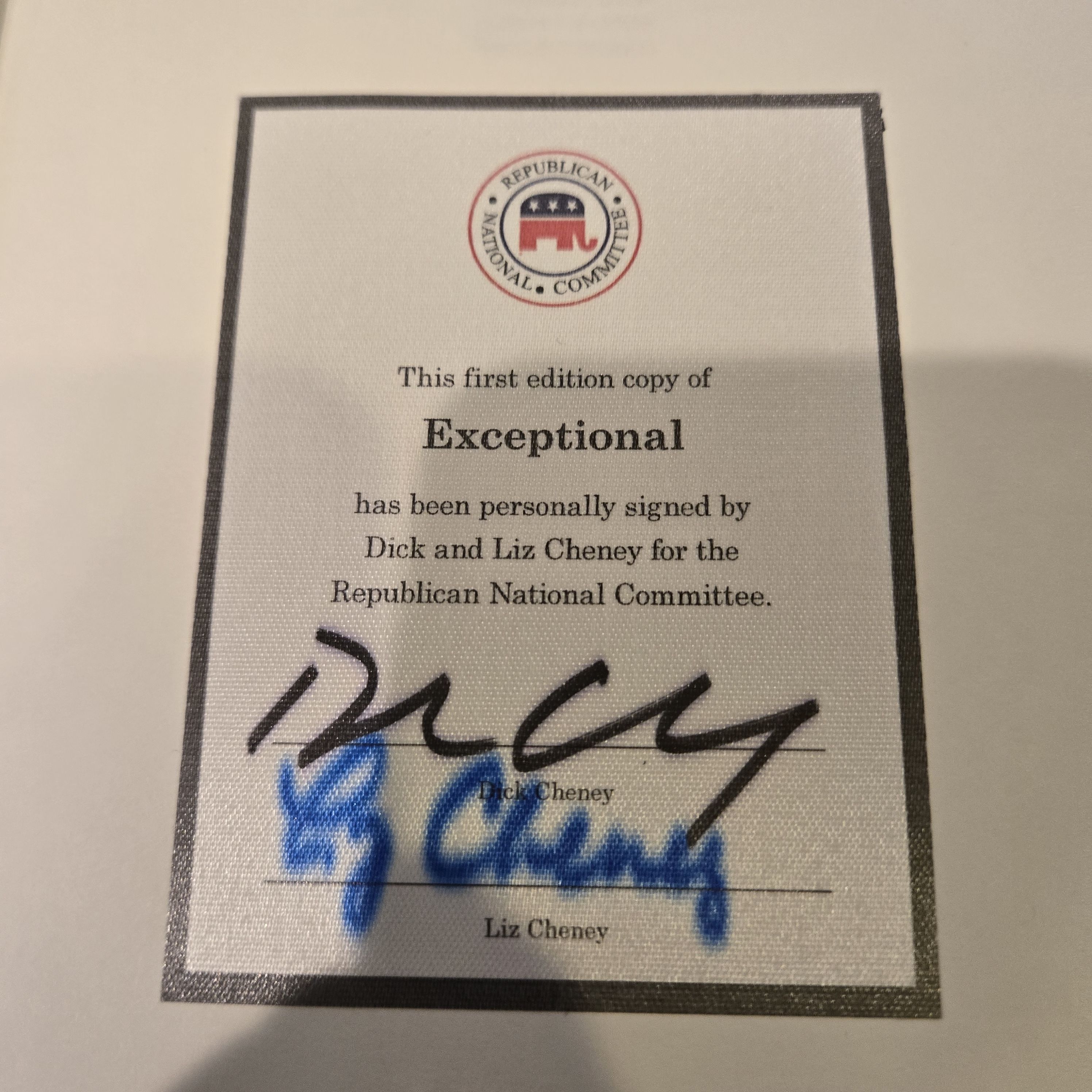
The price was $2.74, as noted on a strategically placed sticker. This is why I like McKay, the epicenter of mysterious pricing.
But yesterday, McKay’s was a sideline, as Edie and I took the 45 minute spin out I-66 to see a bit of Manassas.
Digression: I-66 and historic Route 66 have no connection with each other. When I-66, a short route that runs only between DC and I-81 at or about Front Royal VA, was built, I think there was little choice for its designation. As you may know, as an east-west Interstate, it needed an even number. And, as the east-west Interstates are numbered from lowest in the South to highest in the north, it had to fit between I-64 and I-68. No other choice. End of digression.
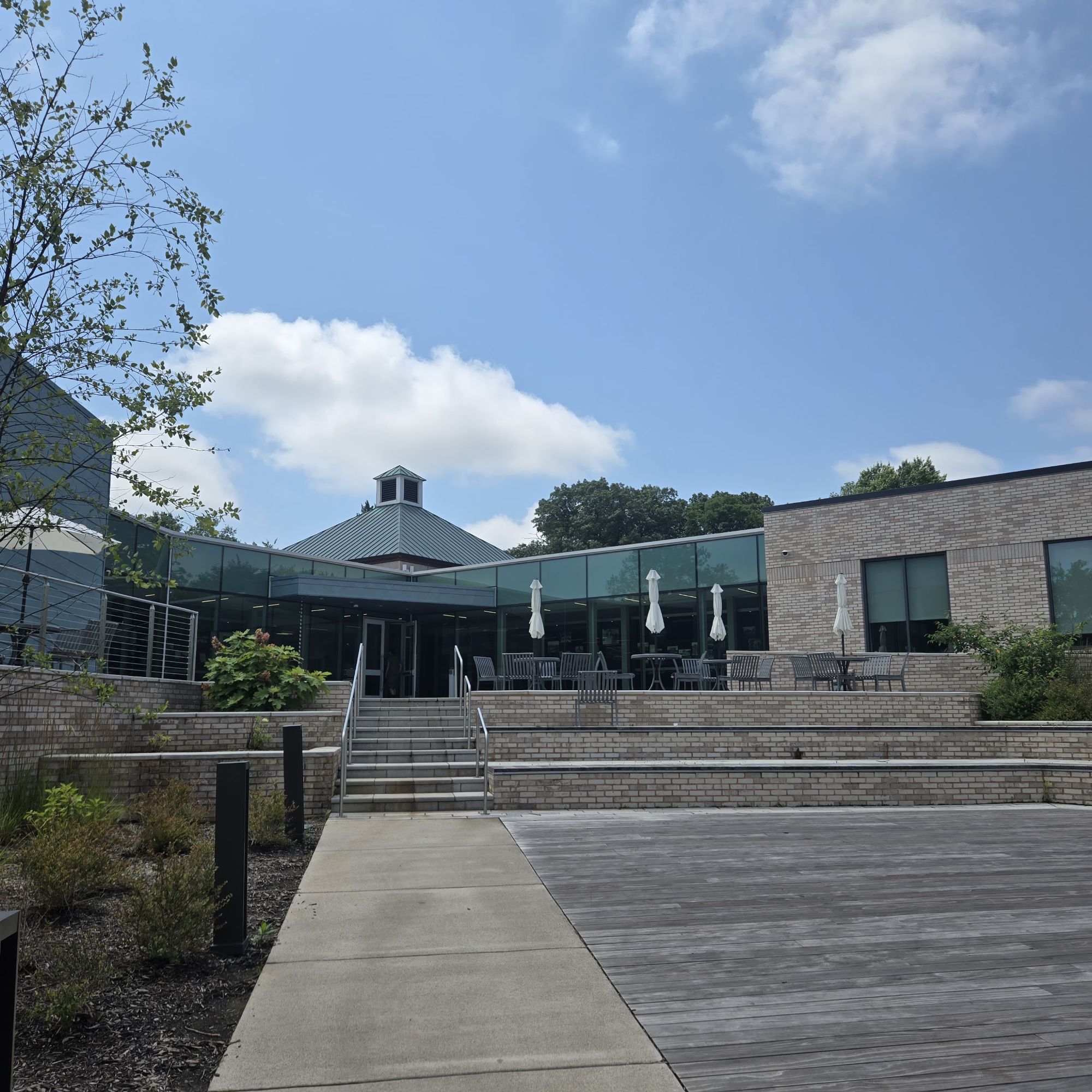
We started at the Manassas Museum, now housed in a modern building in a park-like setting near the town’s historic center. It has two exhibit rooms, a timeline along a corridor, and a gift shop. That’s it.
The timeline is interesting if you want to know about Manassas’ past. It includes a number of artifacts mounted behind glass. One confused me.
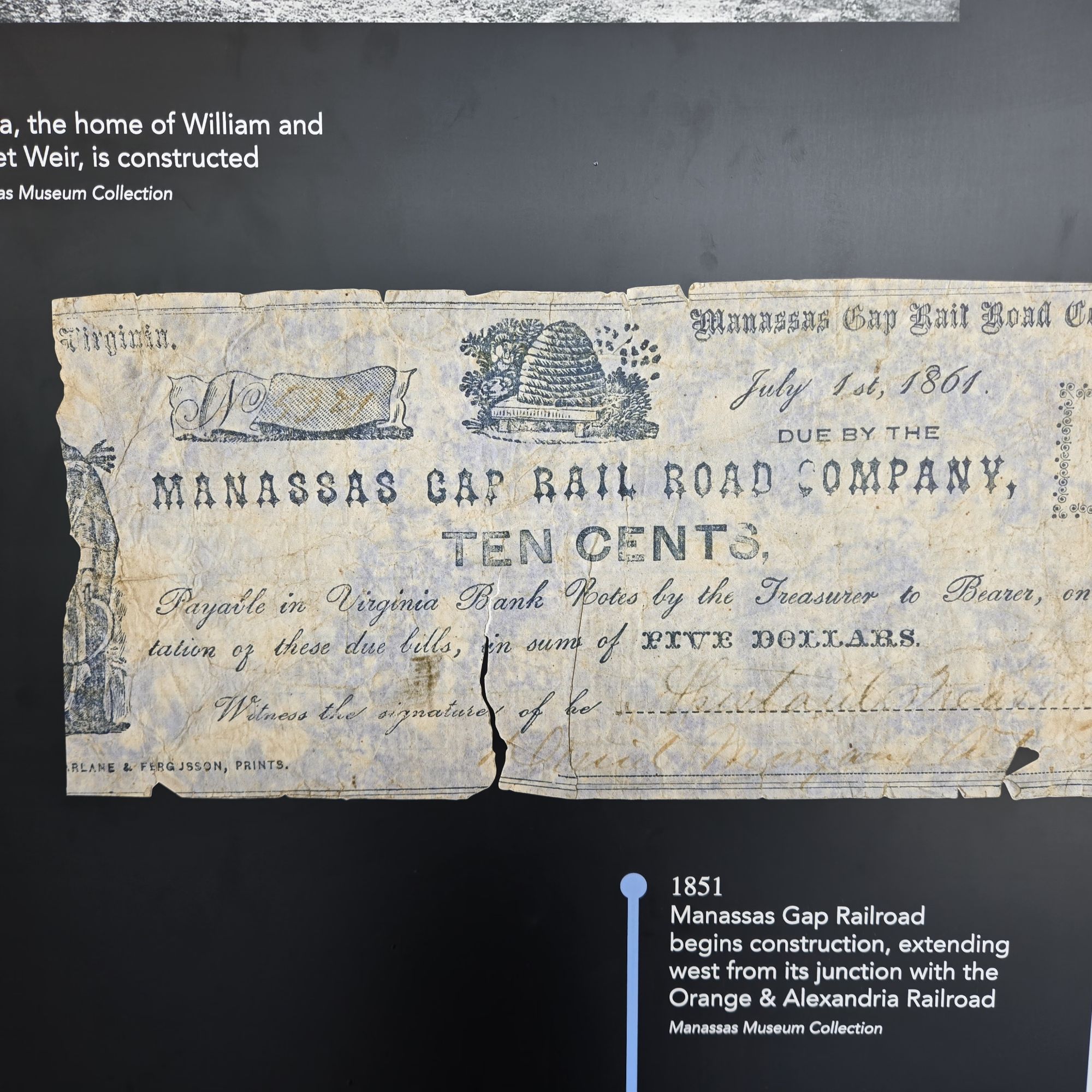
This piece of railroad company script seems to be worth both ten cents and five dollars. Can anyone decipher this for me?
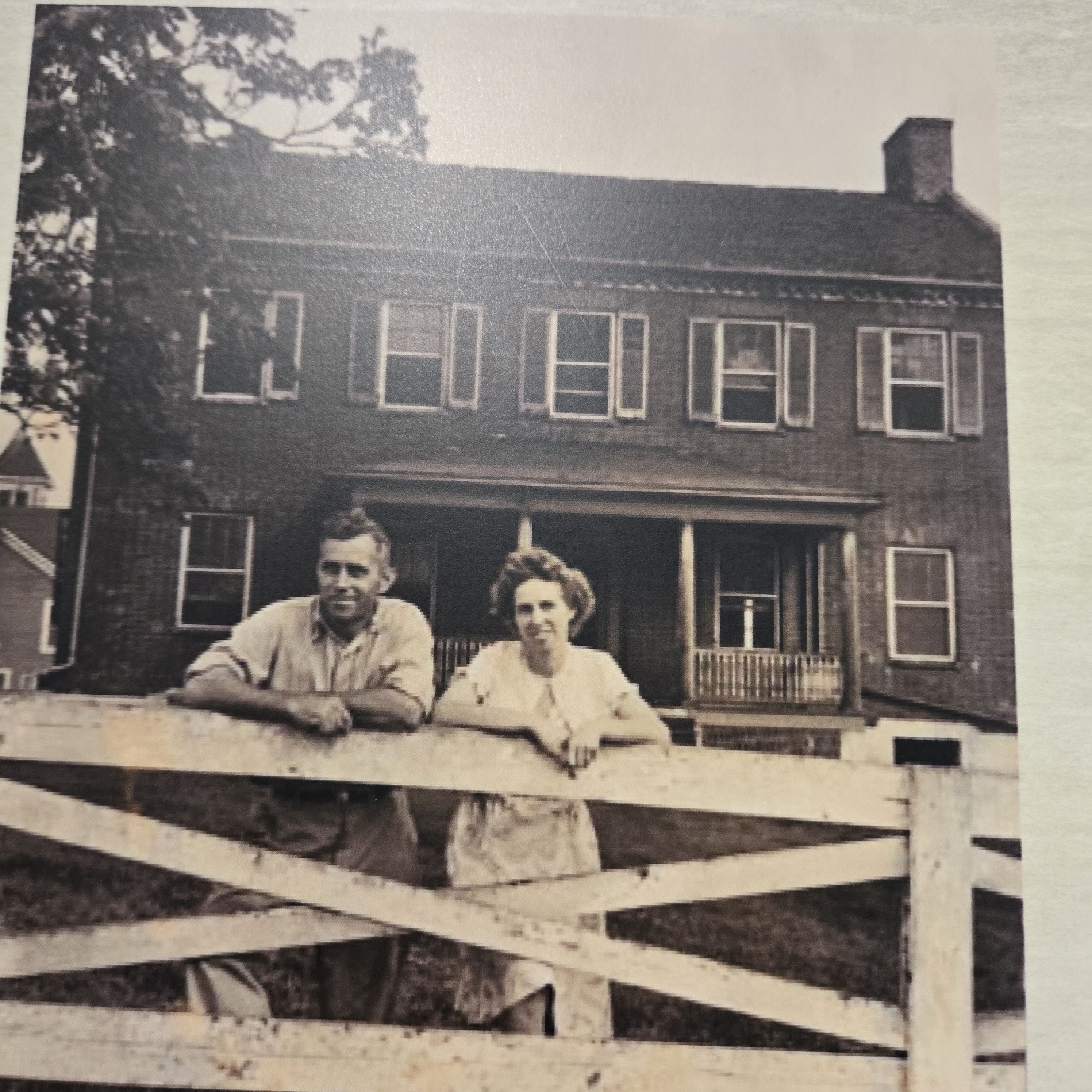
There are two related large 19th century homes in Manassas. The older, called Liberia, is 200 years old this year, starting as a working plantation with as many as 90 enslaved workers, then being transformed into an active and prominent dairy farm, then a family residence, and now a publically owned property rented for special events. The original owner of Liberia was an active member of the American Colonization Society, which wanted to free the enslaved and send them back to Africa, to Liberia.
The house has been restored to its original status from the way it had been upgraded by one of its owners. That means that today, it looks like this
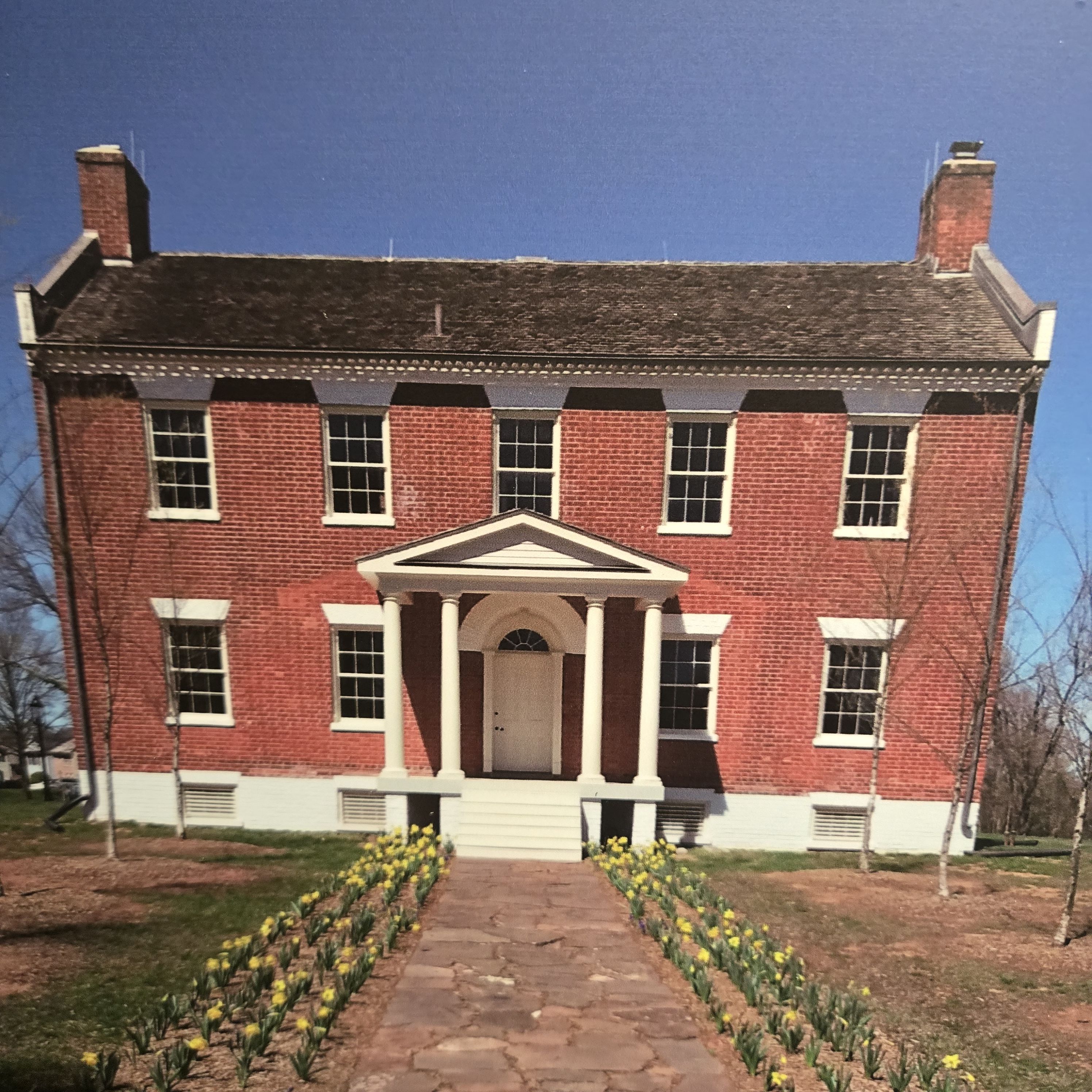
and like this, but not like the one after, which was grandly remodeled, and then unremodeled by the city.
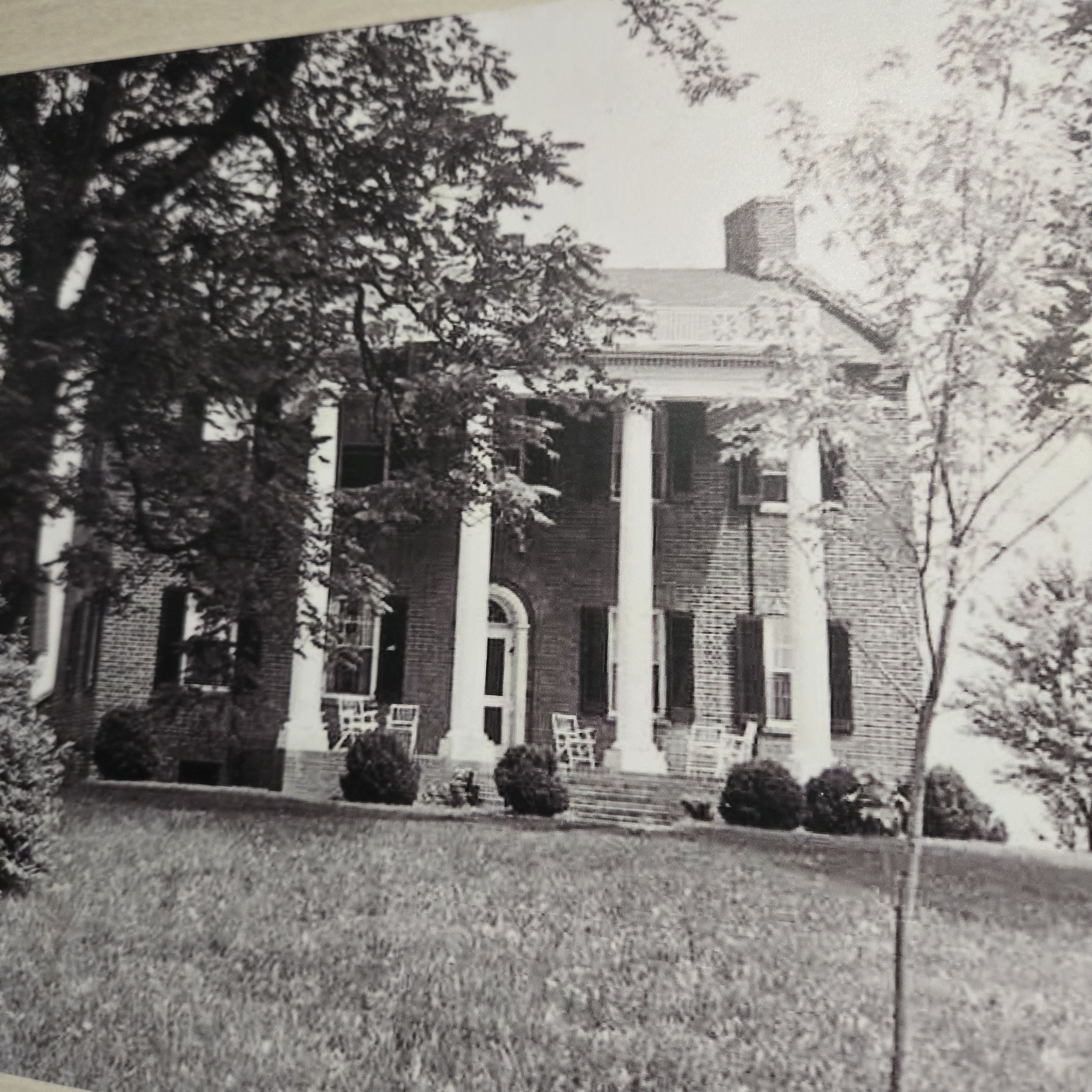
The other hostoric house? Annaberg, was built after the Civil War by an Alexandria brewer, who wanted a summer house in the country. It was, so it is said, the first air-conditioned house in the US, though the process used (blowing fans over ice) was probably less than perfect. Here is Annaberg, now under restoration:
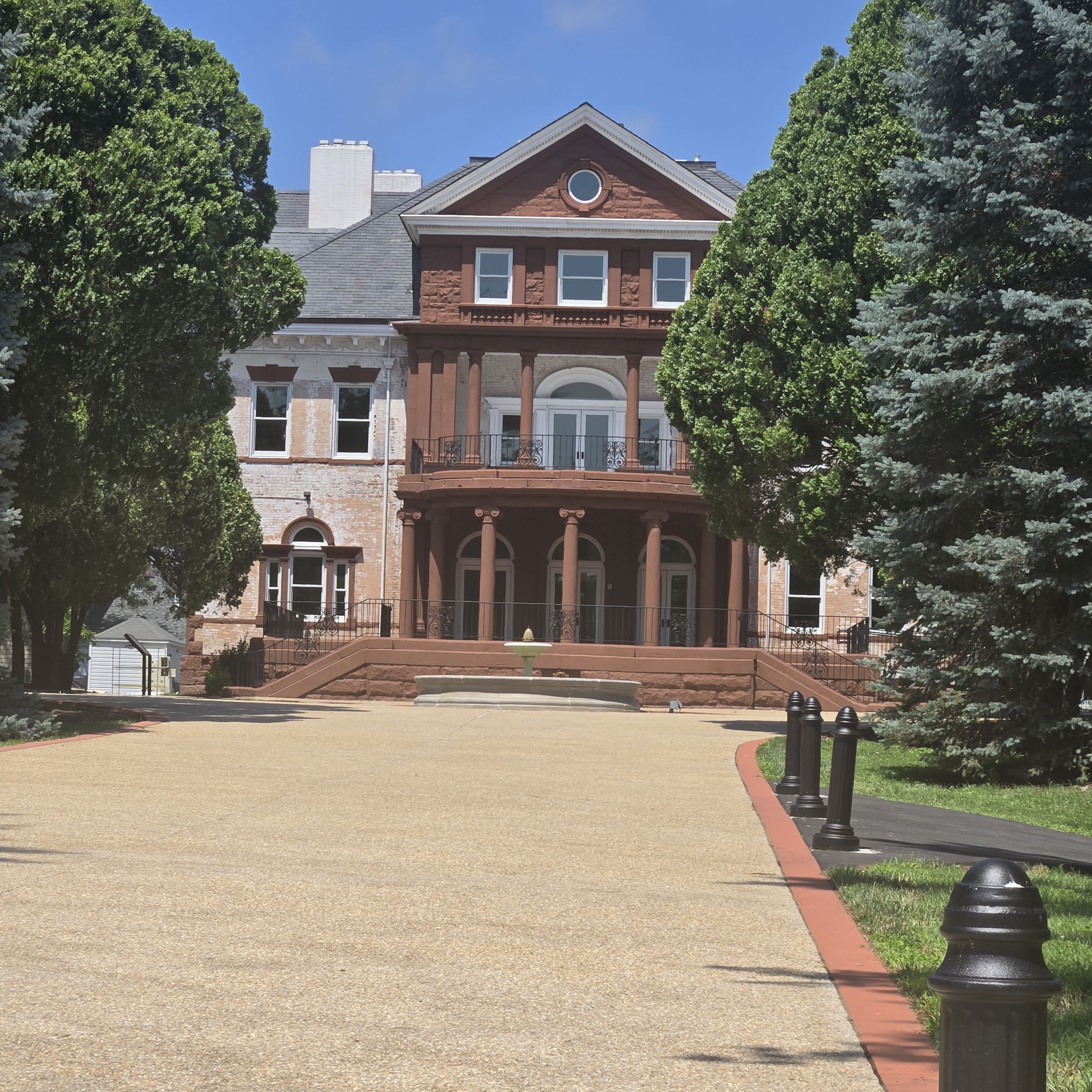
Yes, during the Civil War, Manassas (home of the Battles of Bull Run) was divided. And, yes, that division still exists, I guess.

There is more to see in Manassas, as you might suspect, starting with the battlefields. Maybe next time.
Oh, and why do they call it Manasses? Google it.
 Art is 80